.jpg)
To this effect, the following questions can be posed: How to create a captivating booklet in the ever-shifting landscape of print media in the year 2024? With the emergence of fatigue from the constant use of the digital devices, physical booklets have again become more popular and are now an essential tool for businesses, schools, and artists.
This blog post focuses on how easy it is to design a booklet that will not only catch the eye of your audience but also say what you want it to say. From selecting the right design software to consider and knowing all the details of booklet layout and printing, we will explain all the steps to make your booklet outstanding.
What Is a Booklet?
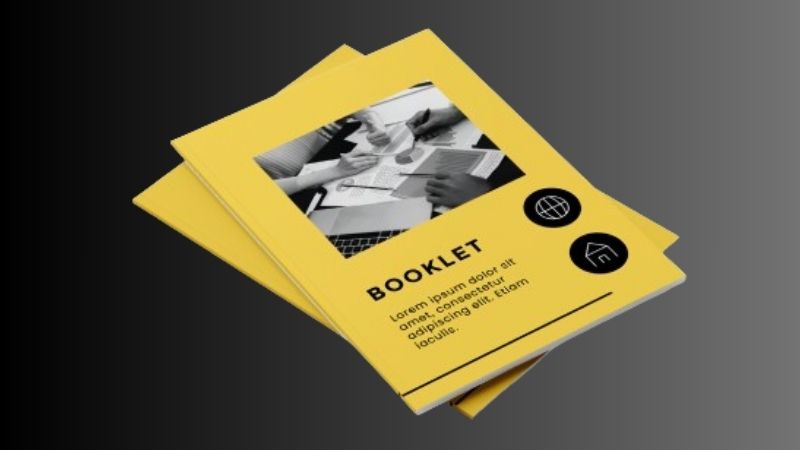
A booklet is a type of folded paper with one or more than one folds and it is intended to contain many pages and is not a large book but rather a small one with a paper cover. It may be a few pages up to several tens of them and traditionally, it is saddle-stitched which means it can be easily transported and used.
Booklets are used in various ways, for example as a manual of a product, an event schedule, or an informational document. To summarize, a booklet is a small yet complete form of a publication that is designed to deliver complex information in an orderly and well-organized manner.
What Should the Business Booklet Include?
Designing a business booklet is not mere disseminating information; it is about narrating an effective story about a company and its values. A good booklet serves as an open door to your company for the stakeholders to get to know you and your business in a special and memorable way. Now that we know what a business booklet is, let’s look at some of the features that should be incorporated to give the booklet a professional look.
-
Cover Page: Initial perceptions are critical and this gets set on the cover page. According to a study conducted by the University of Southern California, the first impression is made within 50 milliseconds of the initial glance and therefore the first thing the recipients will see is the cover page which must be creative and appealing and should be in sync with the brand image. The fact that the cover of a booklet is well designed makes it more likely that the material in the booklet will be read.
-
Introduction: The goal of this section is to make your readers ready for the next step in the discussion. It should quickly give a brief overview of what the format of the booklet is, why it is being published, and what the readers can learn from it to encourage them to read further on.
-
Detailed Product/Service Information: This is the core of your booklet, therefore it should cover all the necessary information about your offerings. Detailed and plain language can improve consumer knowledge and perception levels, which in turn influences purchases.
-
Company Background: To share the story of your company, its values and goals may help to build the audience’s trust. Nielsen’s study shows that a favorable attitude has a positive influence on consumer loyalty and preference.
-
Contact Information: A crucial factor which enables the continuation of a conversation or an investigation, precise contact information makes it possible for clients and prospects to get in touch with your business, improving relations and access.
-
Images and Graphics: Graphic items and icons not only help to diversify the information but also help to describe your offers or services in a more effective manner. Having high quality graphics is important in that it can increase the level of people’s interest and also their comprehension.
-
FAQs Section: Answering some of them before they are asked shows that you care about the customer and it also saves time for both the reader and your business.
-
Call to Action: Make sure to direct your readers to the next course of action, depending on the call to action you use, such as getting in touch, buying a product, or connecting on social media. The use of appropriate call to action can greatly enhance the chances of bringing in more and more customers.
-
Social Media and Website Links: It is important to provide the links for further communication in the context of the modern world, which is heavily based on the Internet. It can enable readers to visit your site and interact with your brand on the social media platforms.
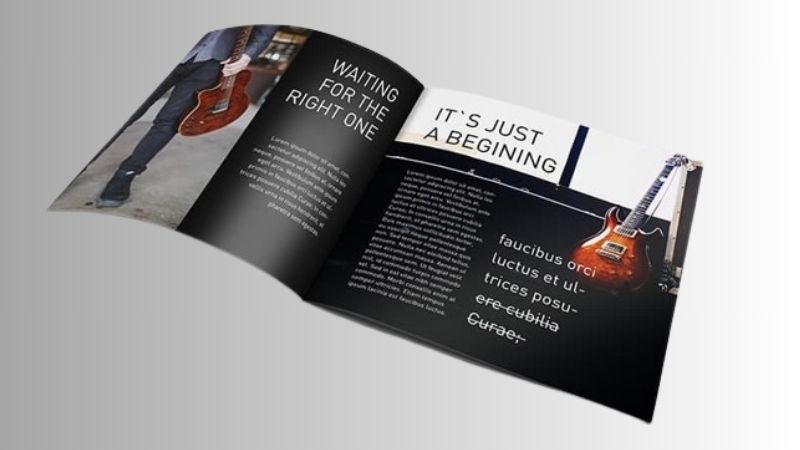
3 Functions That a Good Booklet Must Have
The nature of a good booklet is something that people should know and appreciate in the present age of information. A well-crafted booklet serves three primary functions: to convey information, to capture the attention of the reader and, in one way or another, to advertise a brand. To expand on these critical roles and the impact they have on sales and brand image, let us proceed to the next page.
1. Information Delivery
The main purpose of a booklet is to disseminate information in the best manner that is possible. There’s no need for a lengthy introduction or explanation – the main principle to follow here is simplicity. Nielsen Norman Group revealed that users navigate away from a webpage within 10-20 seconds if they do not find something of interest.
This principle is as valid for booklets as for any other printed products. The information should be presented in a manner that grabs the attention of the reader immediately and should be divided into sections and subsections, which will help the reader to follow the information presented and understand it as easily as possible.
This way, potential customers are informed about products and services, thus making them change their decision and make a purchase. Thus, you are providing useful and comprehensible information to the customers directly, which will help them to make better decisions, increase their trust in your service/product, and ultimately lead to higher conversion rates.
2. Reader Engagement
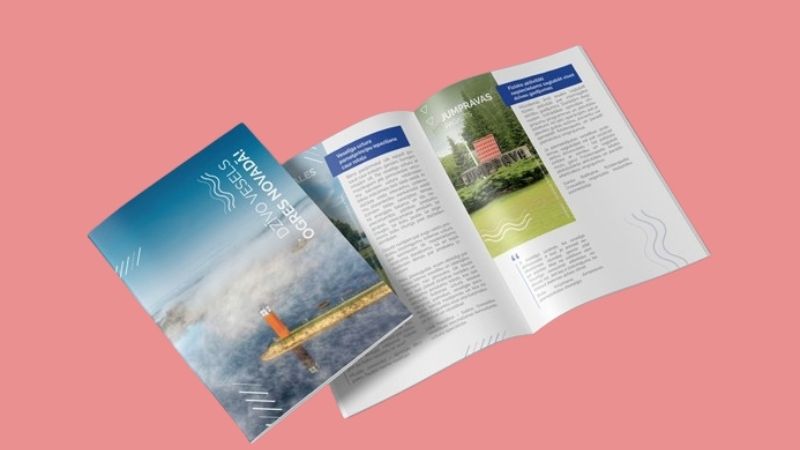
With engagement, a booklet ceases to be just informative but a lot more interesting. This factor is vital in incorporating visuals. Graphics can enhance the desire of consumers to read contents by as much as 80 percent. Thus, using images, infographics, as well as other aesthetically pleasing graphics can help to enhance the reading experience and make it more engaging and memorable. If the reader is involved, then it will be easier to get the message across, which is helpful for maintaining customer relationships and making sales.
The use of attractive cover increases the time the audience spends with your content, hence improving the chances of them making a conversion.
3. Brand Representation or Promotion
Last but not the least, a good booklet should be able to communicate and market a brand well. It is the combination of an artistic approach and a communication strategy where the form and the content of the booklet speak for your brand. Leveraging on the above ideas, Forbes notes that the possibility of enhancing the revenue by up to 23% is evident once the brand image is well maintained across all the media, including the print media such as booklets. The booklet design templates should fit the overall image of your business or organization, meaning that they should convey the right tone, style and values of your business or organization.
Reinforcing your brand in your booklet also helps in the consistency of your brand image and is a crucial component in the process of market segmentation of your products. Through the use of a booklet, more people will not only be exposed to your brand but will also be more inclined to patronize your products and services in the future, making it a very important tool for building brand equity in the long run.
How to Design a Good Booklet with Easy Ideas?
The process of creating a unique booklet involves a certain level of creativity, idea and planning as well as the ability to pay attention to details. Now let’s look at the features of a good printed booklet and ways to use these elements in our images as we design and assemble something original and effective.
1. Develop a Unique Theme or Concept
Like all wonderful booklets, it must be conceptualized in a great way or with a great idea. It is the main concept that you would focus on while designing your layout and creating your content. This theme should reflect your brand and the image/communication that you want to put across. Whether you go for the bare minimum, clean lines, bright colors, or high energy, make sure it fits your audience and goals.
2. Play with Color and Typography
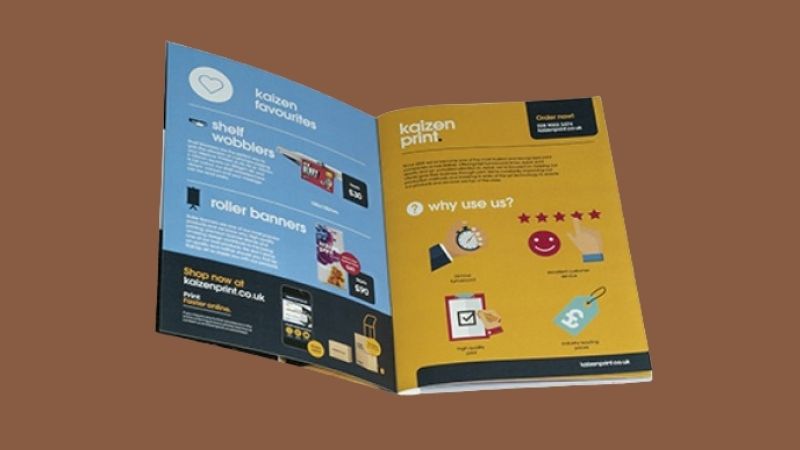
It is not just about choosing the right color combinations, font styles, and typefaces; they are all about expressing feelings and setting the mood of your booklet. Cognitive research shows that color boosts brand awareness by as much as 80%. Choose the colors which are in line with your company’s color scheme and the typeface that would be easy to read but would also provide the right feel to the booklet.
3. Innovative Layout and Structure
This means that the layout of the site should not be traditional but rather unique in its own way. It could be employed to have an asymmetrical format, to use different sizes of paper, or to fold in a non-conventional manner. The layout of the booklet creates an interesting look that helps draw the attention to it and also makes it easier to remember.
4. Incorporate Interactive Elements
Some other features like QR codes, or foldable and/or perforated pages can make a simple booklet much more an engaging experience. These elements help in creating engagement with the reader and make them feel like they are involved rather than just being informed about something.
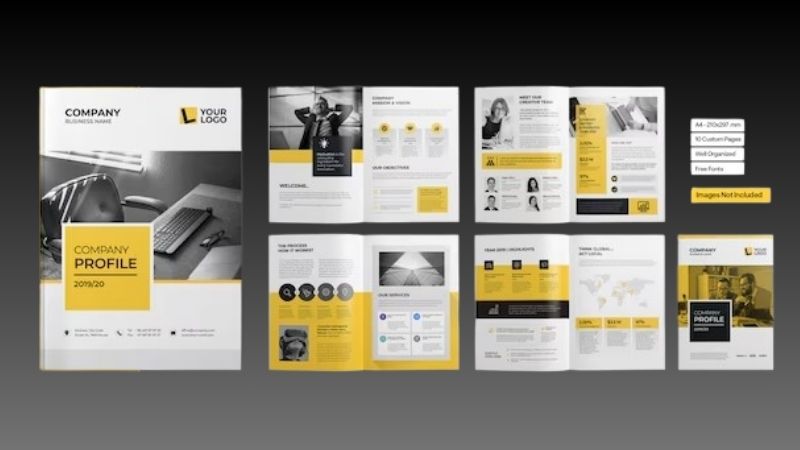
5. Use Booklet Templates
Using templates is always helpful if you are new in booklet design or if you have little time left for designing it. There are many free online booklet templates that one can easily download, and they are often customizable to fit one’s needs. They give your design a basis for consistency and continuity which is very important.
6. High-Quality Imagery and Graphics
Pictures and moving pictures are indeed powerful tools: particularly when it comes to creating a booklet. When choosing images and photos for your booklet, it is crucial to use high-quality pictures that reflect the topic and can help to improve the appearance and impact of your booklet. Make sure the images are clear and placed appropriately in relation to the text and help to enhance the content, as well as tell a story.
7. Tailor to Your Audience
The demographics of the target audience are important for defining the type of booklet that will be produced. Take time to write in a language that appeals to your target audience, and ensure that the design of your content is appealing to the readers. This makes the booklet more appealing to the targeted group since the content will be designed to suit their needs.
8. Sustainability in Printing
Living in an era where awareness for the environment is rising, sustainability is now a core value. Some recommendations to follow include using environmentally friendly material and methods of printing. This helps in cutting costs and is an added advantage because it caters for the market segment that is increasingly being conscious of the environment.
Common Tools for Making a Booklet Template
Booklet making is a special kind of work that requires both inspiration and precise writing. Fortunately, we are living in the age where several instruments are available making this process easy and quite fun. Here are some of the most commonly used applications for creating a booklet:
1. Adobe InDesign
When it comes to professional design Adobe InDesign is the tool of choice. It is famous for its versatile features and high accuracy, so it is great for working on precise logos, numerous-page booklets, and template projects. It provides numerous choices for the layout of the page, font type and size, and image processing tools. While it is slightly more complex and requires time to master, the benefits are worth the time especially if one wants a unique product with a polished look.
2. Microsoft Publisher
Microsoft Publisher is a better option for the target consumer base and is free of cost as compared to InDesign, and if the user is already using the Microsoft Office Suite, then it will be easier for him/her to navigate through the application. It has sufficient basic features to make simple to moderately complex booklets with a friendly interface. This integration with other programs in the Microsoft Office family makes it a useful tool for many projects for many people.
3. Canva
Canva is one of the most famous tools that people use for convenience and to save their time. Being an online tool with an intuitive, drag-and-drop user interface, an access to a multitude of templates, and a wide choice of images, fonts, and graphics, Canva could be of great use for beginners or for those who want to produce a booklet as soon as possible. This makes it quite suitable for use since it provides the required simplicity and yet can be creatively engaging.
4. Lucidpress
Lucidpress is an online graphics editor that performs best in the context of teams. One of the key advantages of a wiki is its capacity to enable many people to contribute to a project at the same time. It makes it ideal for teams that want to work collaboratively to design and implement projects without the need for a middleman.
Conclusion
Booklet creation is not merely the process of assembling several pages; it’s a creative process that encapsulates your brand’s story. Every single booklet captures your creative artistry, combining the look of the booklet with the substance. Accept this process and see how your brand story unfolds at every design.
Discover the Perfect Booklet for Your Business with Packaging Forest LLC
Discover Packaging Forest LLC’s professional booklet templates and designs and change the look of your marketing materials today. Whether you prefer a classic or a bright look, we have a design to suit your brand’s personality. Engage Packaging Forest LLC for booklets that are not just informative but are communication tools and parts of the brand’s narrative. Start your design journey at Packaging Forest LLC.